
Asus VivoBook Flip 14 TP412FA [TP412FA-WS31T]
 | Outdated Product Display:14 ", 1920x1080 (16:9) CPU:Core i3, 10110U, 2.1 GHz Graphics card:UHD Graphics 620 RAM:4 GB Storage:SSD M.2, 128 GB Laptop weight:1.5 kg |


 |
Close
We recommend products in stockLaptops Asus →

transformer 360°, 14 ", touch, 1920x1080 (16:9), TN+film, Core i3, 1115G4, 3 GHz, RAM 4 GB, DDR4, UHD Graphics Xe G4 48EUs, SSD M.2 NVMe, 128 GB, USB A 5Gbps (3.2 gen1), USB C gen1, Win 10 Home (S mode), Wi-Fi 6, fast charge, long life, 1.5 kg

transformer 360°, 13.5 ", touch, 2256x1504 (3:2), IPS, Core i3, 1115G4, 3 GHz, RAM 8 GB, DDR4, UHD Graphics Xe G4 48EUs, SSD M.2 NVMe, 256 GB, USB A 5Gbps (3.2 gen1), USB4 40 Gbps, Thunderbolt, Chrome OS, Wi-Fi 6, fast charge, fingerprint scanner, long life, 1.45 kg
Configurations Asus VivoBook Flip 14 TP412FA 4
Specifications
Asus VivoBook Flip 14 TP412FA [TP412FA-WS31T] | |||||||||||||||||||||||||||||||||||||||||||||||||||||||||||||||||||||||||||||||||||||||||||||||||||||||||||||||||||||||||||||||||||||||||||||||||||||||||||||||||||||||||||||||||||||||||
|
| ||||||||||||||||||||||||||||||||||||||||||||||||||||||||||||||||||||||||||||||||||||||||||||||||||||||||||||||||||||||||||||||||||||||||||||||||||||||||||||||||||||||||||||||||||||||||


Before buying, check with the sellers for the availability of keyboard backlight and the availability of additional accessories.
The information in the model description is for reference purposes.
Always clarify the specifications and configuration of the product with the online store manager before purchasing.
Catalog Asus 2026 - new arrivals, bestsellers, and the most relevant models Asus.
Always clarify the specifications and configuration of the product with the online store manager before purchasing.
Catalog Asus 2026 - new arrivals, bestsellers, and the most relevant models Asus.
Prices Asus VivoBook Flip 14 TP412FA [TP412FA-WS31T]
This model is currently not available for sale.
Follow us for updates.
Follow us for updates.
Series Asus VivoBook (mid-range)
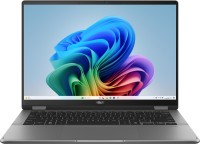
transformer 360°, 14 ", touch, 1920x1200 (16:10), OLED, Core Ultra 5, 226V, 2.1 GHz, RAM 16 GB, LPDDR5X, Arc Graphics 130V, SSD M.2 NVMe, 512 GB, USB A 5Gbps (3.2 gen1), USB C gen2, USB4 40 Gbps, Thunderbolt, Win 11 Home, Wi-Fi 7, fast charge, 3D face scanner, extreme battery life, 1.6 kg

15.6 ", 1920x1080 (16:9), OLED, Core i7, 1165G7, 2.8 GHz, RAM 16 GB, DDR4, Iris Xe Graphics G7 96EUs, SSD M.2, 512 GB, USB A 5Gbps (3.2 gen1), USB C gen1, Win 11 Home, Wi-Fi 6, fingerprint scanner, 1.8 kg

15.6 ", 1920x1080 (16:9), IPS, Ryzen 5, 7520U, 2.8 GHz, RAM 8 GB, LPDDR5, Radeon 610M, SSD M.2 NVMe, 512 GB, USB A 5Gbps (3.2 gen1), USB C gen1, Win 11 Home, fast charge, 1.63 kg

15.6 ", 1920x1080 (16:9), OLED, Ryzen 7, 5700U, 1.8 GHz, RAM 8 GB, DDR4, Vega 8, SSD M.2, 512 GB, USB A 5Gbps (3.2 gen1), USB C gen1, Win 11 Home, Wi-Fi 6, 1.8 kg
15.6 ", 1920x1080 (16:9), OLED, Ryzen 5, 7520U, 2.8 GHz, RAM 8 GB, LPDDR5, Radeon 610M, SSD M.2 NVMe, 256 GB, USB A 5Gbps (3.2 gen1), USB C gen1, Win 11 Home (S mode), Wi-Fi 6E, fast charge, 1.63 kg

16 ", 1920x1200 (16:10), IPS, Core i3, 1115G4, 3 GHz, RAM 8 GB, DDR4, UHD Graphics Xe G4 48EUs, SSD M.2 NVMe, 256 GB, USB A 5Gbps (3.2 gen1), USB C gen1, Win 11 Home, Wi-Fi 6, 1.88 kg

17.3 ", 1920x1080 (16:9), IPS, Core i5, 1335U, 0.9 GHz, RAM 8 GB, DDR4, Iris Xe Graphics G7 80EUs, SSD M.2 NVMe, 512 GB, USB A 5Gbps (3.2 gen1), USB C gen1, Win 11 Home, Wi-Fi 6E, fast charge, 2.1 kg

15.6 ", 1920x1080 (16:9), OLED, Core i3, 1315U, 0.9 GHz, RAM 8 GB, DDR4, UHD Graphics 64EUs, SSD M.2 NVMe, 512 GB, USB A 5Gbps (3.2 gen1), USB C gen1, Win 11 Home, fast charge, 1.7 kg
15.6 ", 2880x1620 (16:9), OLED, 120 Hz, Core i5, 1335U, 0.9 GHz, RAM 16 GB, DDR4, Iris Xe Graphics G7 80EUs, SSD M.2 NVMe, 1 TB, USB A 5Gbps (3.2 gen1), USB C gen1, Win 11 Home, Wi-Fi 6E, fast charge, 1.7 kg

15.6 ", 1920x1080 (16:9), IPS, Core i3, 1315U, 0.9 GHz, RAM 8 GB, DDR4, UHD Graphics 64EUs, SSD M.2 NVMe, 512 GB, USB A 5Gbps (3.2 gen1), USB C gen1, Win 11 Home, Wi-Fi 6E, fast charge, 1.7 kg

17.3 ", 1920x1080 (16:9), IPS, Core i5, 1235U, 0.9 GHz, RAM 8 GB, DDR4, Iris Xe Graphics G7 80EUs, SSD M.2 NVMe, 512 GB, USB A 5Gbps (3.2 gen1), USB C gen1, Win 11 Home, fast charge, 2.1 kg

16 ", 1920x1200 (16:10), IPS, Core i5, 1135G7, 2.4 GHz, RAM 8 GB, DDR4, Iris Xe Graphics G7 80EUs, SSD M.2 NVMe, 512 GB, USB A 5Gbps (3.2 gen1), USB C gen1, Win 11 Home, Wi-Fi 6, 1.88 kg

16 ", 1920x1200 (16:10), IPS, Ryzen 7, 7730U, 2 GHz, RAM 16 GB, DDR4, no RAM upgrade, Vega 8, SSD M.2 NVMe, 1 TB, USB A 5Gbps (3.2 gen1), USB C gen1, Win 11 Home, Wi-Fi 6E, fast charge, 1.88 kg
17.3 ", 1920x1080 (16:9), IPS, Core i5, 1334U, 0.9 GHz, RAM 16 GB, DDR4, no RAM upgrade, Iris Xe Graphics G7 80EUs, SSD M.2 NVMe, 512 GB, USB A 5Gbps (3.2 gen1), USB C gen1, Win 11 Home, fast charge, 2.1 kg
transformer 360°, 14 ", touch, 1920x1200 (16:10), OLED, Core Ultra 7, 256V, 2.2 GHz, RAM 16 GB, LPDDR5X, Arc Graphics 140V, SSD M.2 NVMe, 1 TB, USB A 5Gbps (3.2 gen1), USB C gen2, USB4 40 Gbps, Thunderbolt, Win 11 Home, Wi-Fi 7, fast charge, 3D face scanner, extreme battery life, 1.6 kg

15.6 ", 1920x1080 (16:9), TN+film, Pentium, N6000, 1.1 GHz, RAM 4 GB, DDR4, UHD Graphics, eMMC, 128 GB, USB A 5Gbps (3.2 gen1), USB C gen1, Win 11 Home (S mode), 1.63 kg

15.6 ", 1920x1080 (16:9), IPS, Core i7, 1165G7, 2.8 GHz, RAM 16 GB, DDR4, no RAM upgrade, Iris Xe Graphics G7 96EUs, SSD M.2 NVMe, 512 GB, USB A 5Gbps (3.2 gen1), USB C gen1, Win 11 Home, 1.8 kg
17.3 ", 1920x1080 (16:9), IPS, Pentium, 8505, 0.9 GHz, RAM 8 GB, DDR4, UHD Graphics Xe G4 48EUs, SSD M.2 NVMe, 256 GB, USB A 5Gbps (3.2 gen1), USB C gen1, Win 11 Home, fast charge, 2.1 kg

14 ", 1920x1080 (16:9), IPS, Core i5, 1335U, 0.9 GHz, RAM 16 GB, DDR4, no RAM upgrade, Iris Xe Graphics G7 80EUs, SSD M.2 NVMe, 512 GB, USB A 5Gbps (3.2 gen1), USB C gen1, Win 11 Home, Wi-Fi 6E, fast charge, 1.4 kg
15.6 ", 1920x1080 (16:9), IPS, Core i7, 1355U, 1.2 GHz, RAM 16 GB, DDR4, no RAM upgrade, Iris Xe Graphics G7 96EUs, SSD M.2 NVMe, 1 TB, USB A 5Gbps (3.2 gen1), USB C gen1, Win 11 Home, Wi-Fi 6E, fast charge, 1.7 kg
AccessoriesAll accessories for Asus TP412FA-WS31T →








Model overview based on user reviews
The Asus VivoBook Flip 14 TP412FA is a versatile and compact laptop that offers a range of features suitable for both casual and professional use. It is appreciated for its lightweight and compact design, making it easy to carry and use in various settings. The laptop functions both as a traditional laptop and a tablet, with a touch screen that rotates 180 degrees, enhancing its usability. Users have praised its keyboard backlighting and the convenience of its ports. However, some drawbacks include the limited RAM capacity of 12GB due to one soldered RAM stick, and the inconvenient location of the headphone jack. The laptop's performance is generally sufficient for browsing and basic tasks, thanks to its Pentium 5405U processor and SSD, which also helps in saving battery life. Despite some issues like the oxidation of the aluminum case and the fan noise after reinstalling Windows, the Asus VivoBook Flip 14 is considered a reliable choice for those needing a mid-range, portable device.
Pros
Cons
Year in operation - Size and Form Factor of MacBook - Small Power Adapter - Keyboard Backlight - Touch Screen - Screen Rotates 180 Degrees - A blue patina appeared on the case from hands (aluminum oxidized) - The touch panel slightly separates in the middle of the screen - Large screen bezels at the bottom - After reinstalling Windows, the fan continuously spins and the processor overheats significantly, reducing the processor power through the registry helped (this setting is not available by default) - The maximum RAM capacity is 12 GB not 16  Null Null: use Asus VivoBook Flip 14 TP412FA more than year Null Null: use Asus VivoBook Flip 14 TP412FA more than year |
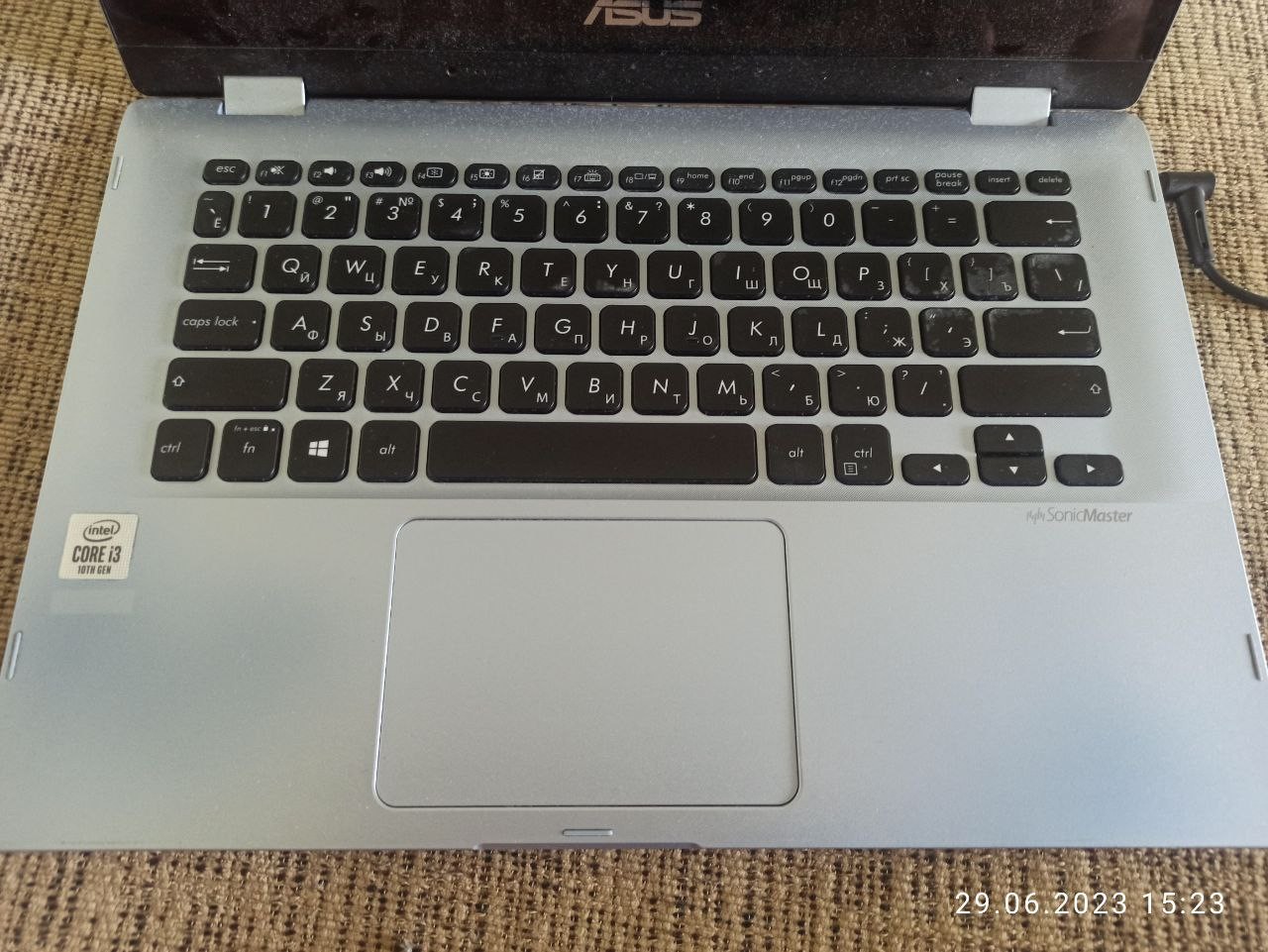
Decided to buy a Windows tablet with a keyboard because I need both instant access and long-lasting continuous work (reliability), and the device must be portable for use in confined spaces. As of fall 2020, global manufacturers (Asus, Dell, Acer) simply do not make such devices (except for rare unsuccessful experiments), only the Chinese make their own. Is it worth buying a Chinese noname for $250-500? There's no point in getting a Windows ARM tablet either, as ARM is glitchy and quite limited for now and might be a dead-end branch of Windows development since it was not originally designed with autonomy in mind. Windows transformers certainly exist in large numbers, but working models mainly start from 40-50k RUB. For a little over 30k, the choice falls between the Asus Vivobook Flip 14 (Pentium 5405U+4GB RAM) and Lenovo Ideapad C340 14 (Athlon 300U/Core i3 10110U also +4GB RAM). I immediately ruled out the HP Pavilion x360 14-dh1000 due to reviews about the fragility of the company's laptops in general. At a similar laptop price, the Ideapad's Passmark CPU Mark test nearly doubles the scores (4365-4627) compared to the Vivobook's (2346) points, and there's also a 3000-point gap in graphics. Moreover, the Lenovo Core i3 can potentially expand RAM up to 20GB, compared to 12GB for the Asus, and it has twice the storage (256GB SSD vs 128GB SSD). Technically, the Ideapad outperforms the Vivobook, but it apparently loses in reliability. Lenovo bends; Asus has a metal body, feels more monolithic, seems better built, and overall more solid. light, compact, well-assembled, pleasant and sturdy to the touch, human-friendly ports, both a laptop and a tablet: can be positioned any way you like, usable without a mouse. The power of Pentium5405U+4GB RAM is sufficient for browsing, and the SSD is both faster than HDD and saves battery, which generally holds a charge well (the charging limit of 60% can be removed through the MyAsus app). The screen is convenient, great for drawing with a stylus, there is keyboard backlighting of varying brightness, and it's convenient that by default, f-commands (volume, brightness, backlight) don't require pressing the fn key, but you can change it to the usual option. one RAM stick is soldered (i.e. a maximum of 12GB RAM unless you're a programming guru with a soldering station), CPUs are also only soldered now, additional ASUS warranty (warranty code) is only available for extra money (not via registration), only dark grey color, and inconvenient headphone jack location: in the middle on the right side (a longer cord is needed).  Denis Potapov: use Asus VivoBook Flip 14 TP412FA few months Denis Potapov: use Asus VivoBook Flip 14 TP412FA few months |
Add Review
Video reviews

ASUS VivoBook Flip 14 TP412FA-EC371TS 14.0-inch Laptop (10th Gen Core i3-10110U/4GB/512GB SSD/Window
28 August 202060 202 view

Asus Vivobook Flip 14 Review | 2020 Walmart Laptop Review and Gaming Test (TP412FA)
6 June 202058 351 view

โน๊ตบุ๊ค ASUS จอสวย(IPS-Touch Screen) สเปคคุ้มค่าในราคาไม่เกิน 15,000 บาท ปี 2020 I TP412FA
23 June 202041 818 view

Preview - โน๊ตบุ๊ค ASUS VIVOBOOK FLIP 14 TP412FA-EC491T จอทัชมีปากกา พับจอได้ สเปคคุ้มค่า
10 December 202025 199 view

คุณสมบัติของโน๊ตบุ๊คที่ดีในปี 2020 #คหสต แกะกล่อง พรีวิว ASUS VIVOBOOK FLIP TP412FA
23 January 202025 030 view

unboxing dan review Asus vivobook Asus tp412fa vips551 i5 10210U 8GB 512GB SSD FHD TOUCH WIN10HOME
16 December 202121 490 view

ASUS VivoBook Flip TP412FA upgrade
17 May 202113 113 view

ASUS VivoBook Flip 14 Review - TP412FA-EC382TS - Cheap convertible laptop with Windows 11
12 October 20212 157 view

ASUS VivoBook Flip 14 (2020), Intel Core i3 14" FHD Touch, 2-in-1 Laptop TP412FA-EC382TS reviews
23 August 20211 218 view